
ABOUT NORTH OF NOW THERAPY
Meet Emily Millman, LCSW
A therapist for the moments when life no longer looks the way you imagined it would.
Whether you're grieving someone you love, navigating infertility or pregnancy loss, healing from trauma, or trying to make sense of a major life transition, therapy can be a place to pause, process, and begin moving forward again.
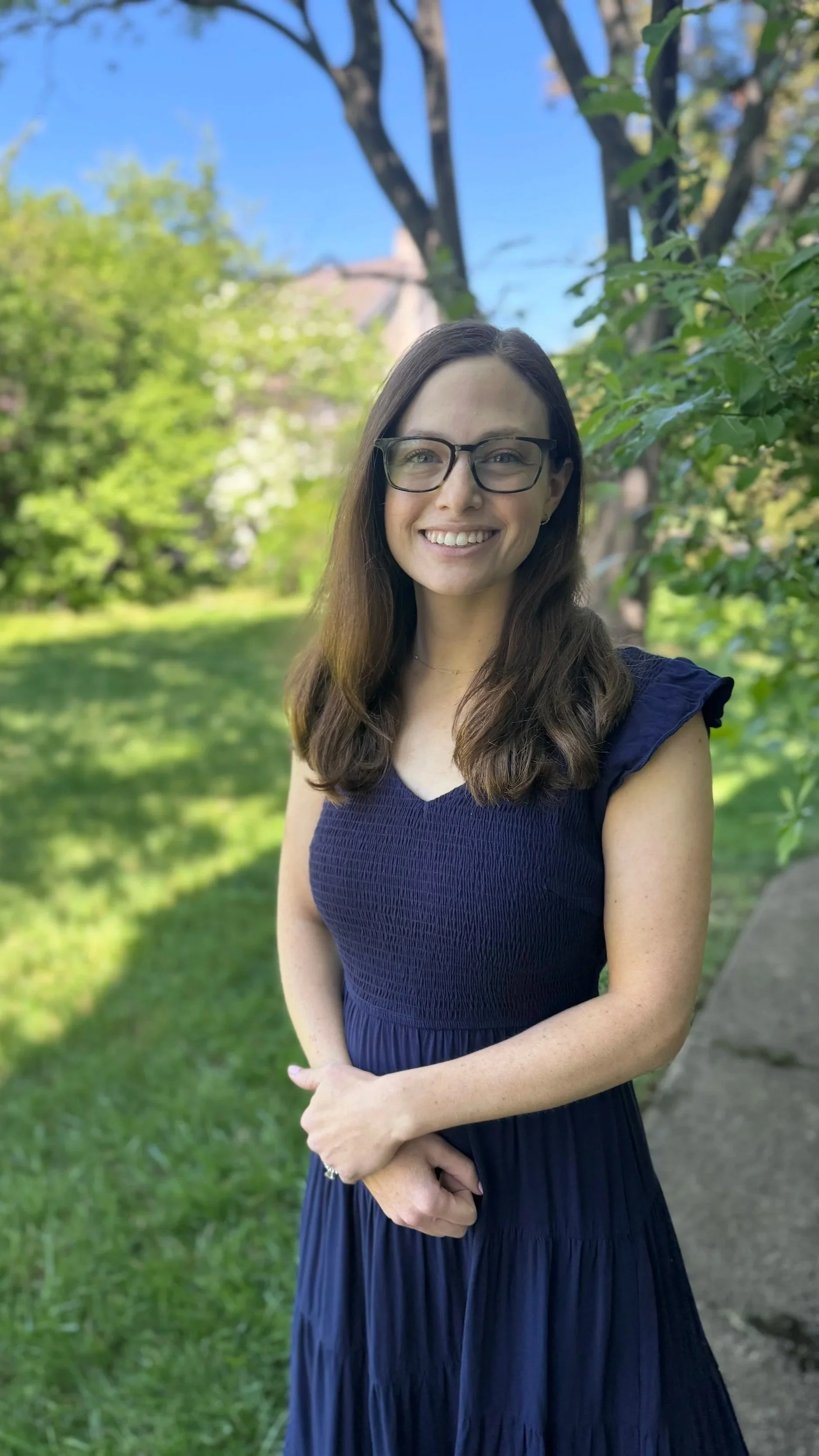

A little about me.
If you’ve spent any time on my website, you’ve probably noticed a common thread running through the work I do: grief, infertility, pregnancy loss, trauma, and major life transitions.
On the surface, those can seem like very different experiences. To me, they have something important in common. They are often the moments when life suddenly stops looking the way you thought it would.
You may be grieving someone you love, trying to cope with the uncertainty of infertility, processing a pregnancy loss, or adjusting to a change you never expected. You might be functioning well enough on the outside while privately feeling overwhelmed, disconnected, or unsure what comes next.
Those are the moments I’ve built my career around helping people through.
My role is not to tell you how quickly you should heal or what moving forward is supposed to look like. It is to help you understand what happened, make room for the parts that still hurt, and find a way of living that feels like your own again.
What therapy with me is like.
Collaborative
Therapy with me is a conversation. I will offer perspective, ask questions, notice patterns, and help you make connections, but I am not here to act like I know your life better than you do.
Practical
Some sessions may focus on deeper emotional patterns. Others may be about getting through a difficult week, managing anxiety, or figuring out how to handle one specific conversation. Most therapy includes a little of both.
Trauma-Informed
You will not be pushed to talk about something before you feel ready. We will work at a pace that feels manageable and pay attention to what helps you feel safe, steady, and present.
Personalized
I use approaches including CBT, EMDR, mindfulness, psychodynamic therapy, and trauma-informed care, but I do not force every client into the same method. Therapy should make sense for your life, your history, and what you actually need.

The experience that shaped me most.
One of the most meaningful parts of my career was serving as the Clinical Director of a grief therapy camp for children and adolescents.
In that role, I worked with young people who had experienced profound loss. I watched them move between sadness, laughter, anger, play, fear, and connection- sometimes within the same afternoon.
That experience changed the way I understand grief.
Grief is not linear. It does not follow a predictable timeline, and it does not disappear simply because life continues around you. People can miss someone deeply and still laugh. They can feel hopeful and devastated at the same time. They can be healing while still having days that feel incredibly hard.
Although I now work primarily with adults, those lessons continue to shape the way I show up in therapy. I do not expect grief to look neat, and I do not believe healing requires leaving an important part of your story behind.

You don’t have to navigate this season alone.
You may be grieving a loss, living through the uncertainty of infertility, processing a pregnancy loss, or trying to feel like yourself again after a major change.
You do not need to have the perfect words before reaching out. We can start with a free 30-minute consultation, talk about what is bringing you to therapy, and see whether working together feels like a good fit.